
The Navy’s plan for pilot training could add the first clean-sheet trainer aircraft since the 1950s
SNC’s Freedom trainer is engineered for the hard landings that come with naval missions.

SNC’s Freedom trainer is engineered for the hard landings that come with naval missions.

Midsized companies can offer flexibility and agility while keeping intellectual property in the hands of the government.


Avoiding vendor lock and providing more room for sensors and upgrades are critical considerations.

An Army spokesperson told Breaking Defense that the current plan is for the service to acquire six production aircraft and three prototypes for the HADES program.

SNC said the first prototype is scheduled to be delivered some time this year.

From SAOC to other programs, open architecture and government-owned data cut sustainment costs and speed modernization.

The partnership will chiefly focus on missile defense and counter-drone operations, using Applied Intuition’s software for vehicle autonomy among other features, paired with SNC defense systems.

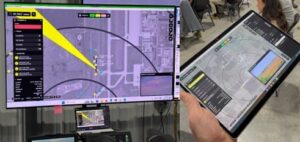
Architecture that linked sensors, C2, RF effects, and lasers into a distributed c-UAS kill chain.

"You don't need a bespoke F-35 at eleventy billion dollars an hour, right? You can do this in a very cost-effective way,” Ray Fitzgerald, senior vice president for strategy at SNC, told Breaking Defense.

“Using government-furnished Bombardier Global 6500 jets, the HADES prototypes will be the first Army-owned, large-cabin business jets utilized as aerial ISR platforms,” SNC said in a press release today.

The company’s helmet-mounted ATARS system can project images of adversary threats like enemy jets for real pilots flying in a cockpit.
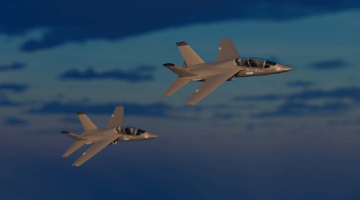
SNC is entering a crowded field for the Navy's Undergraduate Jet Training System program, going up against teams led by Boeing, Lockheed Martin, Textron and a little-known firm called Stavatti.


A decorated combat aviator and biotech CEO advocates preparing for novel viral threats before the next crisis.

The two firms are focused on the lower tier aspect of Golden Dome, such as small drones and cruise missiles.
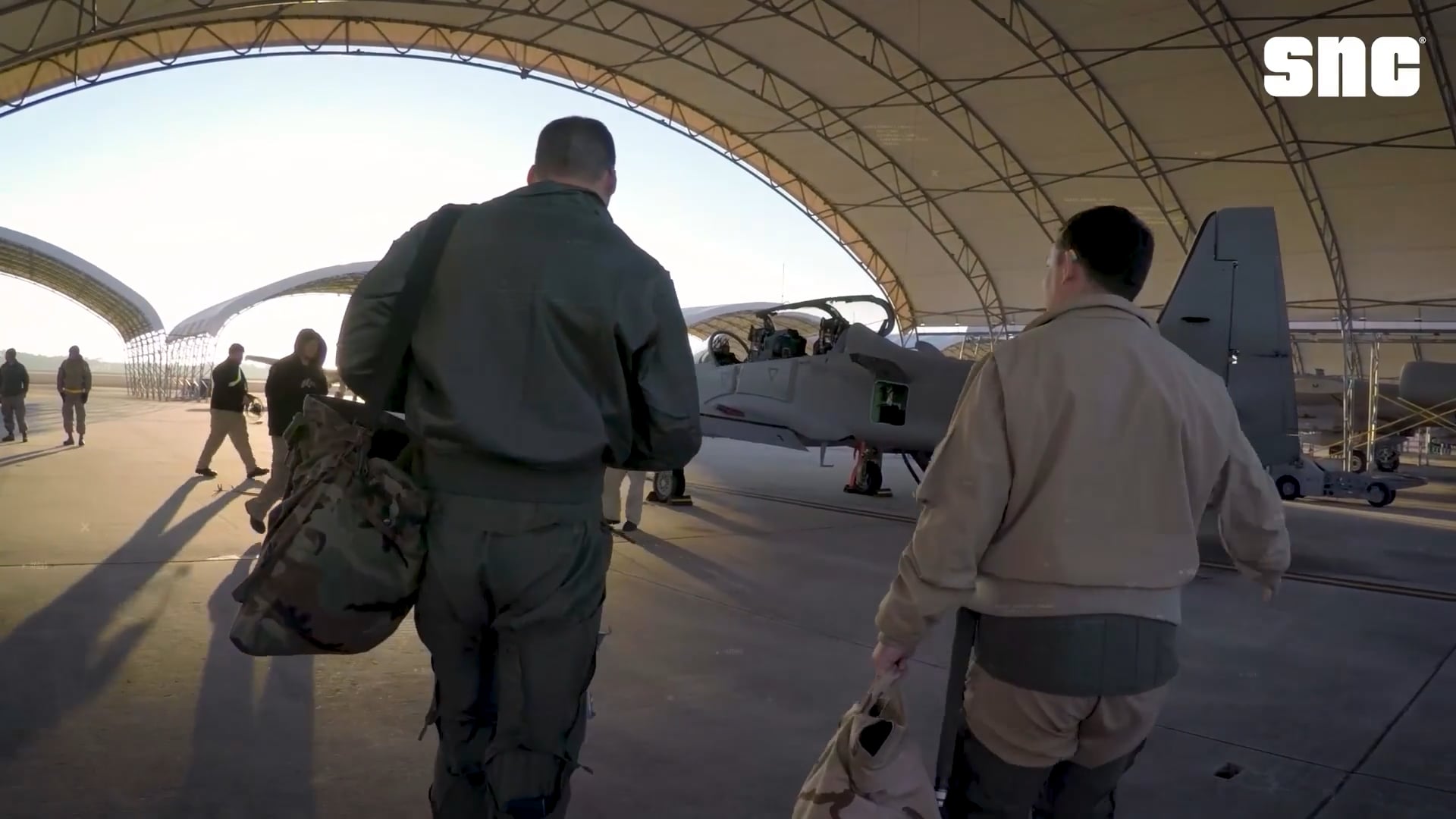
Effective collaboration with partners requires open architectures for rapid configuration of missions and platforms.

One Army official acknowledged that the future High Accuracy Detection and Exploitation System (HADES) might go through a program change.

AUKUS Pillar 2 is driving supply chain innovation and resiliency for non-submarine technologies that are key to the three-way industrial partnership.